
FOFN
🚜

Construction Machinery

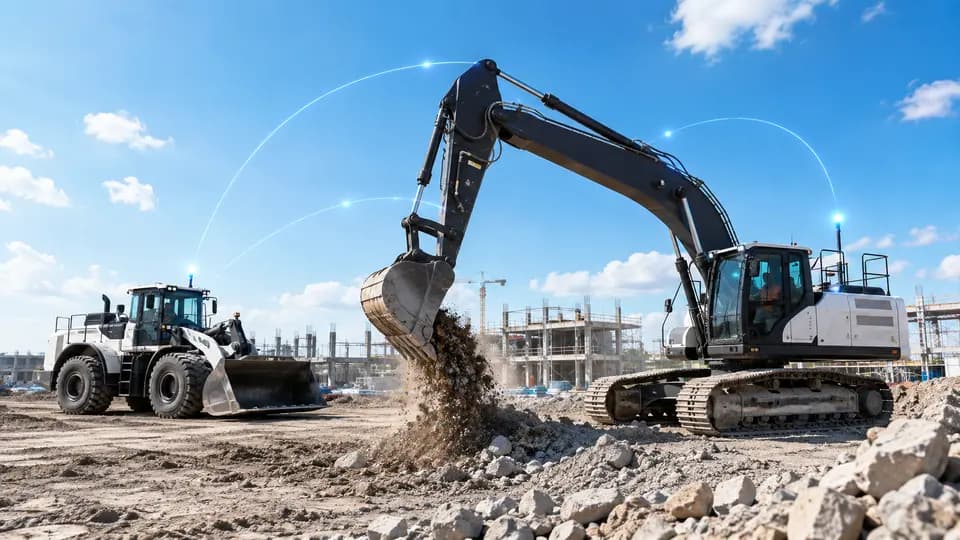
Excavators, loaders, cranes, rollers, and construction vehicles β€” enabling location tracking, work path monitoring, project area management, and anomaly detection for construction, equipment rental, and service teams.

Construction Machinery

How can GPS positioning of construction machinery be used in project management?

Construction machinery frequently moves between job sites, warehouses, maintenance facilities, and different projects. The FOFN Construction Machinery GPS Tracking Solution, combined with in-vehicle GPS tracking terminals, allows users to view real-time equipment location, historical movement paths, dwell areas, and basic operational status on the platform β€” supporting project dispatching, equipment inspections, and anomaly verification.

Which business scenarios does it suit?

Ideal for earthwork, road construction, engineering contracting, equipment rental, equipment distribution, and after-sales service teams. Supports management of excavators, loaders, cranes, rollers, and other heavy equipment. Geofences can be configured per job site, warehouse, parking zone, or maintenance facility to monitor equipment entry/exit, parking behavior, and unplanned movement.

How to select the right terminal?

Terminals should be selected based on equipment voltage, mounting location, vibration resistance, dust/water protection (IP rating), network coverage, and project management requirements. Standard GPS tracking is suitable for location and route monitoring; advanced functions such as remote control, workload metering, or automated construction require specialized hardware and must be evaluated case-by-case per project plan.

Key Features:

Real-time Equipment Location

View precise location, online status, and last update time for each piece of machinery β€” subject to device configuration and network conditions.

Historical Route Playback

Review transfer routes, dwell zones, and working hours to support project scheduling and record verification.

Project Area Management

Define geofences for construction sites, warehouses, maintenance facilities, or parking zones.

Unplanned Movement Alerts

Trigger alerts based on supported events including displacement, power loss, or geofence breach β€” helping detect unauthorized relocation or usage.

Basic Operational Status

Wired terminals can read basic status signals (e.g., ACC, power supply) per configuration. Actual capabilities depend on wiring setup and project-specific implementation.

Multi-Device Group Management

Organize devices by project, region, equipment type, or rental customer.

What GPS tracking delivers

Real-Time Tracking

View the precise location of vehicles or assets on a map, updated every few seconds.

Route Playback

Replay historical trips, stop points, and routes to verify actual operations.

Geofencing

Automatically trigger alerts when a vehicle enters or exits a predefined geographic zone.

Fuel Monitoring

Monitor fuel level and consumption to prevent theft and reduce waste.

Driver Behavior Analysis

Detect harsh braking, speeding, and idling to improve driving safety.

Alarm Notifications

Receive instant push notifications for tampering, low battery, offline status, and emergency events.

Recommended products

Recommended solutions

FAQ

Which types of construction machinery are suitable for GPS tracker installation?

Excavators, loaders, cranes, rollers, forklifts, and other construction vehicles are all viable candidates. Terminal selection should consider equipment voltage, available mounting space, operating environment, and required ingress protection (e.g., IP67/IP69K).

Can I see which job site a piece of equipment is currently at?

Yes. Geofences can be set up per job site, warehouse, parking zone, or maintenance facility. Combined with real-time location and historical trajectory data, you can monitor equipment entry, exit, and dwell times.

Can operating hours of construction machinery be tracked?

Wired terminals can estimate engine start/stop times and runtime using inputs such as ACC signal, power status, or auxiliary digital inputs β€” depending on wiring configuration, terminal model, and project settings.

Does the system support remote shutdown or immobilization?

Remote shutdown or immobilization is not a standard feature of basic GPS trackers. When involving relays, electrical circuit integration, or worksite safety, implementation must be assessed case-by-case by qualified professionals β€” considering equipment type, local regulations, and project requirements β€” to avoid compromising equipment functionality or on-site safety.

What if cellular signal is unstable at the job site?

Select terminals with appropriate communication capabilities (e.g., dual-SIM, onboard storage, or blind-zone data buffering) based on primary work areas. Devices with offline storage can upload buffered data once connectivity resumes. Actual performance depends on terminal configuration and local network coverage.

Can this solution integrate with our existing construction equipment management platform?

Integration is possible via TCP, UDP, RESTful API, or custom protocol β€” subject to terminal model, supported communication protocols, server specifications, and interface requirements. Feasibility assessment is recommended prior to deployment.